
The median price per square metre for an apartment in Lyon is around 4,469 euros in 2025, according to DVF notarial sales data, but this overall figure masks considerable differences. Prices range from 3,705 euros/m² in the 5th arrondissement to 5,471 euros/m² in the 6th—a spread of more than 45%. The key is knowing how to interpret these figures to arrive at a reliable estimate for an individual property.
Variation within neighbourhoods: what arrondissement averages fail to capture
Relying on an arrondissement’s median price means averaging together very different realities. In the 8th arrondissement alone, sales recorded between 2024 and 2025 ranged from 2,100 to 4,810 euros/m²—a twofold difference within the same postcode.
This is due to the fine-grained nature of micro-locations. Two streets just 300 metres apart can have very different dynamics: proximity to a noisy road, building quality, and whether local shops are nearby. DVF data can be analysed at this level, but it does not provide information about the floor, the condition of the property, or its energy rating (DPE).
We recommend always cross-checking three factors before treating a comparable property as relevant:
- Property type (a studio can sell for up to 48% more per square metre than a four-room apartment in the 5th, compared with just 4% in the 6th)
- Transaction volume in the area (a neighbourhood with fewer than ten sales per half-year will produce a statistically unreliable median)
- Signing date, since Lyon property prices underwent uneven corrections between 2022 and 2025, falling by 18.5% in the 2nd arrondissement compared with 8.3% in the 8th
Analysing apartment prices neighbourhood by neighbourhood based on completed sales remains the most robust methodological foundation, provided you look beyond the raw median.

DPE ratings and rental restrictions: a regulatory factor in property prices in Lyon
Energy performance is no longer just a negotiating point. Since 1 January 2025, homes rated G no longer meet the standards for decent housing for new leases, renewals or tacit extensions. Homes rated F will follow in 2028, then those rated E in 2034.
For a buyer-investor, this restriction directly affects the return calculation. An F- or G-rated apartment in the 5th or 9th arrondissement, listed below the area median, may seem attractive. But the cost of the energy-efficiency upgrades needed to legally rent it out often wipes out the apparent discount.
The regulations also prohibit rent increases for F- and G-rated homes under the conditions set out by law. This double restriction—first a ban on renting, then a rent freeze—affects the property’s value beyond its price per square metre alone.
Practical impact on negotiations
Informed buyers use the DPE rating as a negotiating tool from the viewing onwards. An E-rated property in a Haussmann-style building in the 6th arrondissement is not negotiated in the same way as a C-rated property in a newer development in the 7th, even if their asking prices are similar.
Available data for the Lyon market suggests that an F- or G-rated property can lose between 15% and 20% of its value compared with an equivalent property with a better rating. The best-informed buyers already factor in this difference, but sellers do not yet do so consistently.
Rent controls in Lyon: rental yield as a factor in valuation
Lyon and Villeurbanne apply rent controls, with caps that depend on the geographical area, number of rooms and year of construction. This system does not directly affect the sale price, but it caps the gross yield an investor can achieve.
An apartment in an area where the increased reference rent remains low relative to the purchase price will inevitably generate a lower yield. This should be factored into a fair-price assessment for any buy-to-let property.
Rental yield and purchase price: working backwards
Rather than starting with the price per square metre to value a property, some investors work backwards: they start with the maximum rent allowed under the controls, apply a target yield, and calculate the acceptable purchase price. This method effectively filters out overpriced properties in arrondissements where rental demand does not justify the asking prices.
Adjustments in the Lyon market: review recent trends before comparing
Prices in Lyon began to recover in the second half of 2025, but the trend varied considerably by arrondissement. Comparing a property listed today with a sale completed in early 2023 without adjusting for the trend will distort the analysis.
The 2nd arrondissement lost 18.5% between 2022 and 2025, while the 1st arrondissement lost 18%. The 8th fell by just 8.3%. A comparable property in the 2nd dating from 2022 should therefore be adjusted downwards by around one-fifth to reflect the current market.
Mortgage rates, at around 3.31% in August 2025, are also reducing buyers’ borrowing capacity. A property that found a buyer at a certain price in 2021, when rates were below 1.5%, no longer appeals to the same pool of buyers today, which inevitably puts downward pressure on actual prices.
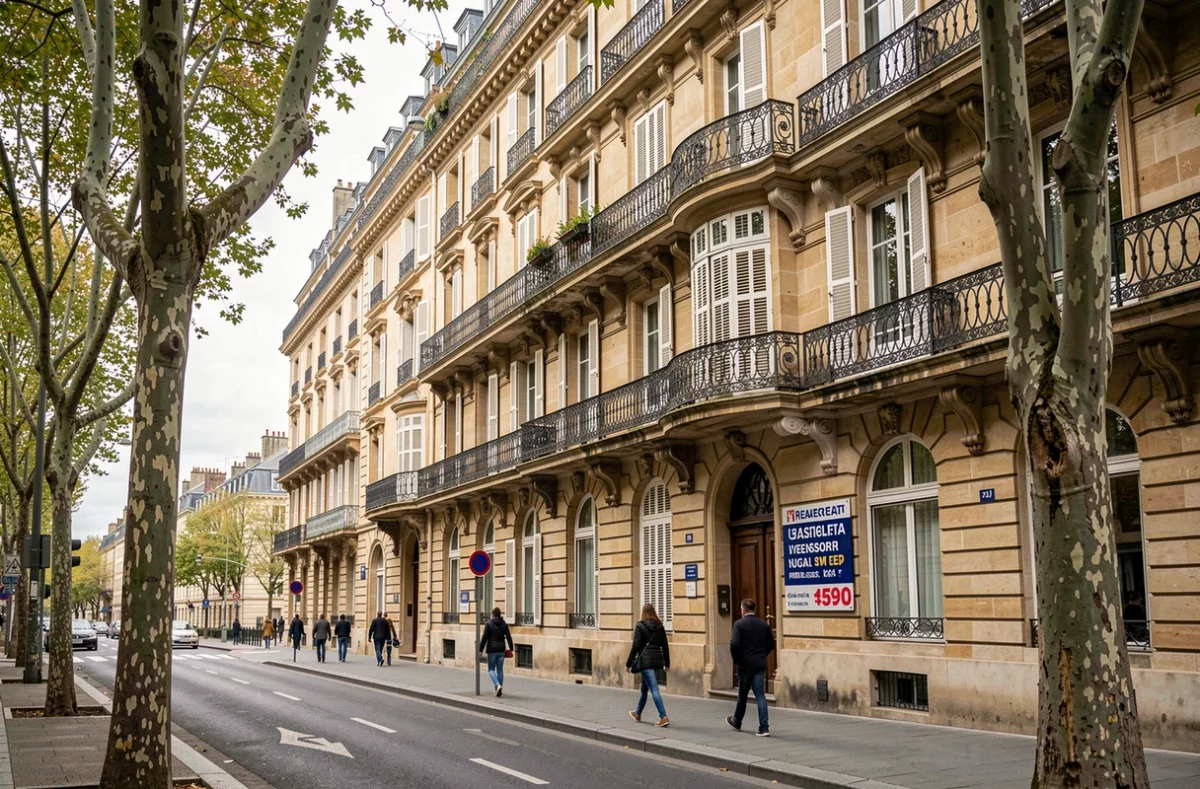
No 2026 sales have yet been published in the DVF database at the time of this analysis. Any valuation must therefore be based on transactions completed in 2024–2025, and considered alongside current lending trends and regulatory restrictions. The fair price of an apartment in Lyon cannot be read from an average: it is established by cross-checking neighbourhood comparables, property type, DPE rating and the rental yield permitted under rent controls.