The vascular laser works through selective photothermolysis: the light beam targets the hemoglobin contained in dilated vessels, causing their coagulation, which the body then gradually eliminates. This targeted thermal destruction leaves the surrounding skin intact but generates a local inflammatory reaction that requires special attention in the days and weeks following the session.
Skin reaction after vascular laser: what happens beneath the skin

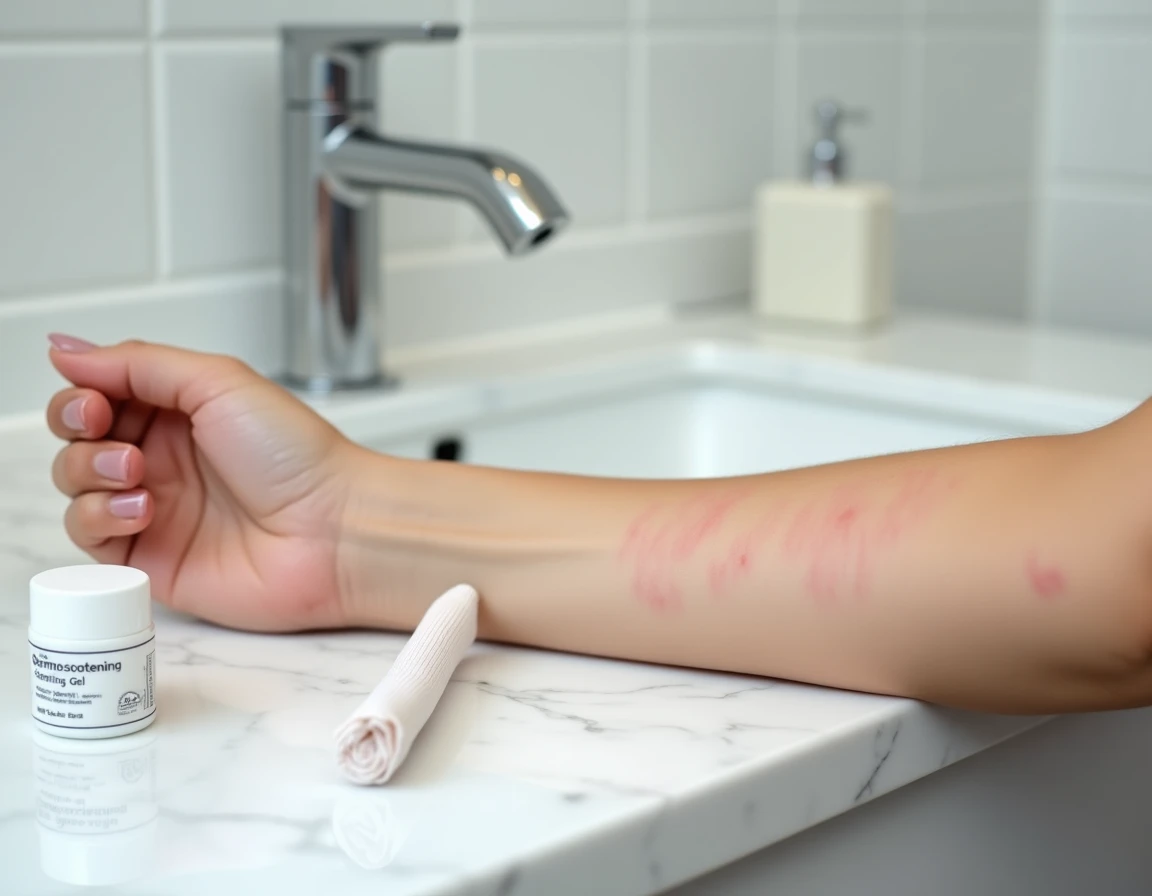
Immediately after the laser shot, the treated area shows erythema (diffuse redness) accompanied by slight swelling. This phenomenon reflects the normal inflammatory response of the dermis to the heat absorbed by the targeted vessels.
Bruises (purpura) may appear, especially when the treatment targets varicosities or deep lesions treated at the Nd:YAG wavelength. These purplish marks generally fade within one to two weeks.
The superficial burning sensation felt right after the session diminishes within a few hours. However, skin fragility persists well beyond the disappearance of visible symptoms. The epidermal barrier remains compromised until the healing process is complete, making the skin vulnerable to external aggressions, particularly ultraviolet rays.
It is helpful to consult the post-treatment recommendations on Univers Beauté to complement the instructions provided by the practitioner during the session.
Sun protection after vascular laser: why duration matters more than the index
The most common guideline is to avoid the sun for two weeks. Recent dermatological sources remind us that this minimum duration is not always sufficient, especially when the laser has worked deeply.
Indirect exposure also triggers pigmentary disorders on skin that is healing. A car ride, a lunch on a terrace, a walk in the city under a cloudy sky: UV rays penetrate through clouds and untreated side windows. Protection is not limited to the beach or garden.
Concrete measures for photoprotection
- Apply a mineral sunscreen SPF 50+ every two hours on the treated area, including on cloudy days, for at least two to four weeks depending on the depth of the treatment
- Wear a wide-brimmed hat if the treatment concerns the face, and seek shade whenever possible
- Postpone any session if a trip to a sunny country is planned within the month following, rather than relying solely on sunscreen
A lack of sun protection after vascular laser exposes the risk of post-inflammatory hyperpigmentation: brown spots appear exactly on the treated area, sometimes more visible than the initial lesion.
Phototype and pigmentary risk: an underestimated factor in post-laser care
The guidelines after a vascular laser session are often the same regardless of the patient. This standardized approach poses problems for medium to dark skin tones.
Patients with phototypes IV to VI (Fitzpatrick classification) have a significantly higher risk of post-inflammatory hyperpigmentation. Their melanocytes react more strongly to any thermal or inflammatory aggression of the dermis. After a laser shot, melanin production goes into overdrive locally, which can leave persistent brown marks.
Specific adaptations for medium skin tones
Sun avoidance should be extended beyond the standard timeframe. Some dermatologists recommend the systematic addition of gentle depigmenting creams or topical anti-inflammatory agents in the weeks following treatment, even in the absence of visible spots.
Close monitoring also becomes very important: a check-up at two weeks allows for the detection of early hyperpigmentation and intervention before it becomes established. If the practitioner does not spontaneously offer this appointment, asking for it remains the best precaution.
Everyday gestures and restrictions after a vascular laser session
Heat dilates blood vessels. After a treatment that has just destroyed them, any source of local heat slows healing and worsens inflammation.
- Avoid hot baths, saunas, steam rooms, and intense sports for at least a week after the session
- Do not apply heavy makeup in the first hours if the skin shows visible micro-lesions, to limit the risk of infection
- Clean the treated area with a gentle, alcohol-free cleanser and apply a repairing cream (such as a healing emollient) morning and evening
- Do not scratch or rub bruises or scabs that may form on the treated varicosities
Laser or wax hair removal is contraindicated on the treated area until the skin has returned to its normal state. Any technique that generates heat or removes the stratum corneum risks compromising the results of the vascular treatment.
Alcohol and photosensitizing medications
Consuming alcohol in the hours following the session promotes vasodilation and increases redness. Some common medications (anti-inflammatories, antibiotics from the tetracycline family, oral retinoids) increase the skin’s sensitivity to UV rays. Reporting any ongoing treatment to the practitioner before the session allows for adjustments to the schedule or instructions.
The final results of a vascular laser session are not immediately visible. The coagulated vessels are gradually absorbed by the body over several weeks. Following precautions throughout this period, and not just in the first few days, determines the quality of the final result as much as the technical gesture itself.