
The used car market in France is undergoing a phase of restructuring. Distribution networks are diversifying, online brokers are gaining ground on delivery times, and a decree from November 2025 now requires professionals to provide a complete and certified history for any used vehicle sold. In this context, identifying a reliable car dealer means looking beyond the showroom.
Early buyback clauses in leasing: what independent dealerships allow for negotiation
Long-term rental contracts (LLD) or lease-to-own contracts (LOA) taken out with dealerships affiliated with a manufacturer often have rigid early buyback conditions. The residual amount, exit penalties, and buyback schedule are set by the manufacturer’s captive financier, leaving little room for the customer.
Further reading : Where to find a good refurbished phone?
Independent multi-brand dealerships operate differently. Not being tied to a single financing entity, they work with several banking partners. This competition opens a negotiation window on the vehicle’s residual value and early buyback fees.
A long-term leasing buyer can ask an independent dealership to simulate several early exit scenarios even before signing. Players like City Automobiles offer this type of support, comparing financing offers to adjust the clauses from the start. The cost difference between a negotiated early buyback and a buyback under standard conditions can represent several monthly payments.
You may also like : Where to find tips for home maintenance?
Two points remain to be checked before committing:
- Does the contract explicitly mention the residual amount at each annual due date, or only at the end of the contract?
- Are the costs for restoring the vehicle capped in writing, or left to the lessor’s discretion at the time of return?
- Does the dealer agree to renegotiate the residual value if the vehicle’s value has improved in the meantime?
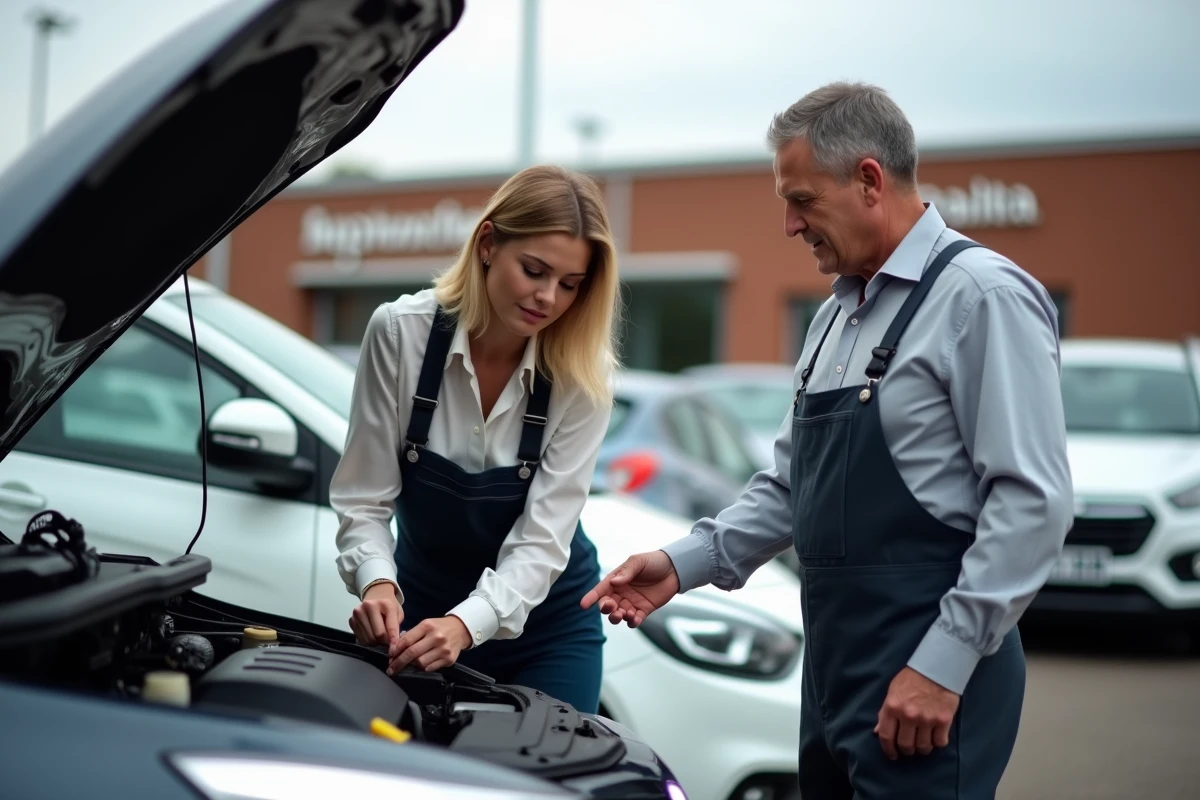
Multi-brand dealerships in rural areas: a more personalized LOA offer
The “Rural Mobility 2025” study from the National Mobility Observatory (ONM) highlights a clear trend. Buyers located in rural areas report a superior customization of LOA offers in independent multi-brand dealerships compared to large networks.
The explanation lies in the commercial structure of these points of sale. An independent dealer offering several brands does not have a volume target imposed by a single manufacturer. They can direct the customer to the vehicle that truly matches their usage, without trying to offload an overstocked model.
This operation also changes the financial negotiation. The advisor is not required to offer the LOA contract from the captive manufacturer. They can compare offers from three or four financing entities and adjust the rent, duration, or annual mileage according to the buyer’s profile. For rural use with long and regular trips, the mileage cap is the most significant factor at the end of the contract.
Quality Auto Label and customer reviews: what recent data reveals
The annual report from the National Federation of Garages and Repair Body Shops (FNGCR), published in March 2026, documents a doubled number of positive customer reviews regarding the transparency of vehicle histories for dealers certified with the “Quality Auto Label” since 2024.
This evolution coincides with the decree of November 15, 2025, which requires professionals to provide a complete and certified history for each used vehicle sold. Certified dealerships had anticipated this obligation, which partly explains their lead on satisfaction indicators.
What the label covers (and what it does not cover)
The label certifies an inspection process and documentation traceability. It does not guarantee the absence of mechanical defects after the inspection. The legal warranty of conformity remains the legal safety net for the buyer, regardless of any label.
Field feedback varies on one point: some buyers report that certified dealerships apply higher margins, justifying the extra cost with the certification. Checking whether the displayed price already includes the cost of the label or if it is added to the catalog price helps avoid an unpleasant surprise.

Online brokers and physical dealerships: delivery time and warranty
Online car brokers tend to offer shorter delivery times than physical dealerships in the used car segment. Centralized stocks and integrated logistics explain this gap.
However, the physical dealership retains an advantage in immediate after-sales service. A problem detected in the days following delivery is resolved more quickly when the point of sale is accessible by car. For an online broker, returning the vehicle often involves transport and an additional delay for pickup.
- The online broker suits buyers who prioritize price and speed, with a vehicle delivered directly to their home.
- The physical dealership remains relevant for those who want to test the vehicle, negotiate face-to-face, and have a local contact in case of issues.
- Independent multi-brand dealerships often combine both models: visible stock online and an accessible point of sale for testing and follow-up.
The choice between these channels depends less on the intrinsic reliability of the seller than on how the buyer wishes to manage the relationship after the purchase. A reliable dealer is recognized by the clarity of their written commitments: warranty conditions, exact content of the vehicle history provided, and dispute resolution procedures remain the foundation of any transaction, regardless of the chosen channel.