Promoting artwork online is based on an often underestimated principle: digital discovery does not automatically lead to a digital purchase. The Art Basel & UBS Art Market Report 2026, based on 2025 data, shows that online-only art sales have fallen to their lowest level since 2019.
Fairs and physical channels have regained importance. Any marketing strategy for artists must therefore articulate online visibility and offline conversion.
Hybrid purchasing journey: what the online art market demands from artists
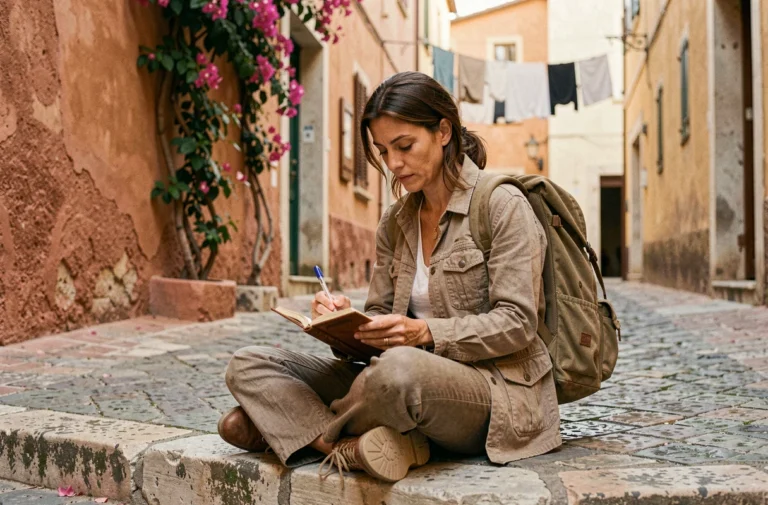
A potential buyer discovers a piece on Instagram or Pinterest, saves it, returns several days later, and then contacts the artist or a gallery to finalize the purchase. This fragmented journey changes how an artist must think about their web presence.
The goal of content published on social media is not to trigger an immediate payment. It is about creating a memorable first point of contact, specific enough for a collector to identify the style, format, and price range without having to look elsewhere.
Artists who structure a true direct sales journey achieve stronger results. The Art Basel & UBS Survey of Global Collecting 2025 confirms that direct sales by artists are progressing strongly, particularly via Instagram, custom commissions, and studio visits. On the Ricci Art marketing page, this direct channel logic is detailed with concrete examples applied to the art market.
Specifically, an effective hybrid journey includes three distinct stages:
- A discovery phase on social media, where visual content (studio photos, creative process videos) captures attention and establishes recognition of the artistic style.
- An evaluation phase on a personal website, with a structured catalog, dimensions, techniques used, and clearly displayed price ranges.
- A conversion phase through direct contact, via an appointment request form, a video exchange, or a studio visit.
Content strategy on Instagram for visual artists
Instagram functions more as a discovery and relationship tool than as a standalone shop. This distinction is fundamental: posting photos of works without context generates neither engagement nor qualified inquiries.
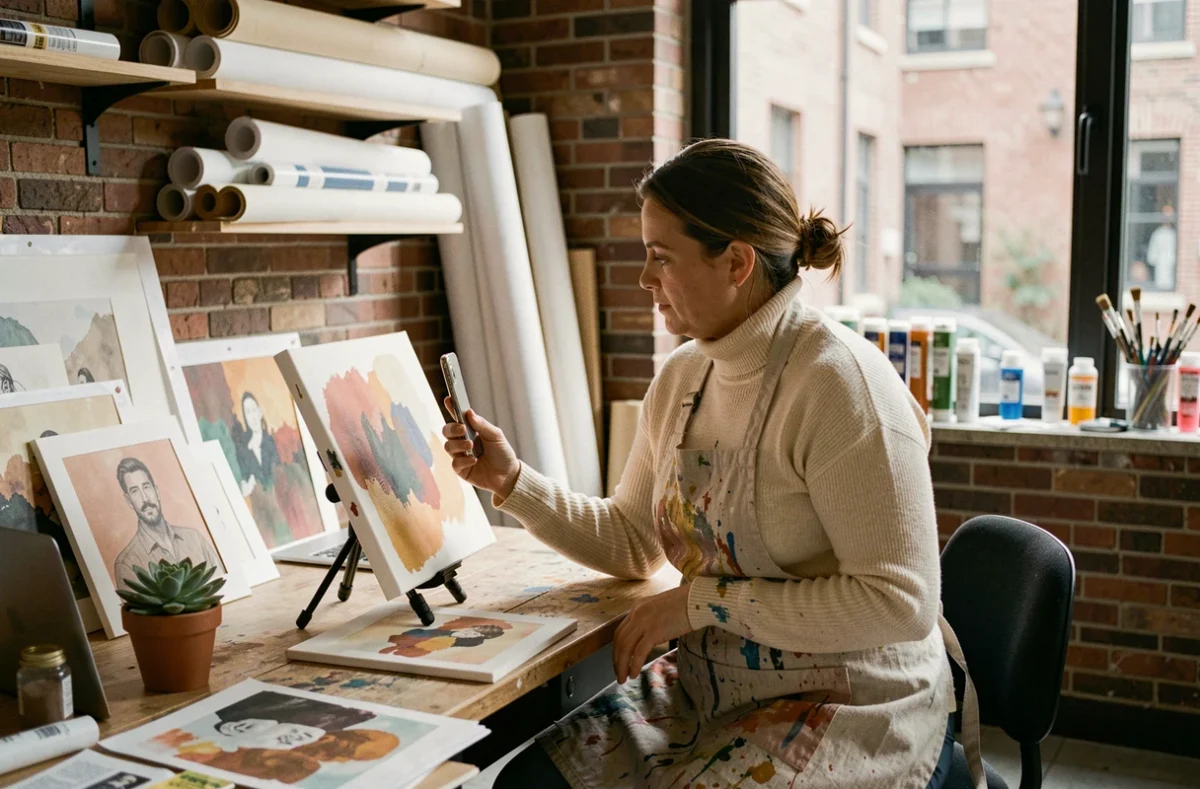
The content that works for a visual artist revolves around the process. Showing a work in progress, filming a technical gesture, commenting on a choice of pigment or support. The documented creative process builds trust much more than a simple photo of the finished work.
Measuring inquiries rather than likes
A common pitfall is evaluating social media strategy by the number of followers or likes. These metrics do not reflect the quality of the audience.
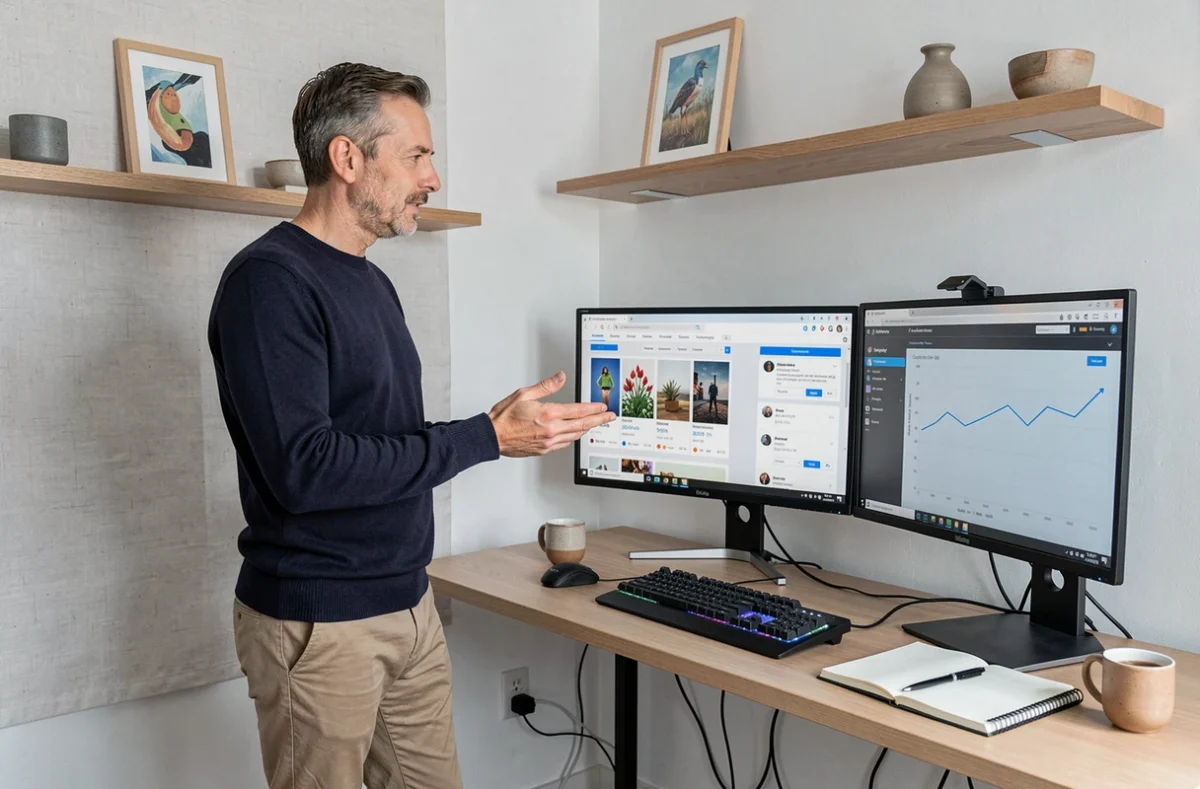
A more reliable indicator remains the number of private messages received, price inquiries, and appointment requests generated after a post. If a series of posts about a new body of work triggers five inquiries from collectors in a week, the strategy is working, even with a modest number of public interactions.
Qualified inquiries matter more than raw reach. An account with a few hundred engaged followers can generate more sales than a profile followed by thousands of passive accounts.
Artist website and SEO: the technical fundamentals
A profile on social media does not replace a personal website. The reason is technical: on Instagram or Facebook, the artist controls neither the distribution algorithm, nor the presentation of their works, nor the data of their visitors.
A dedicated website allows for structuring a catalog searchable by series, technique, or format. It also enables appearing in Google search results when a collector types the artist’s name or a term like “large format abstract painting.”
SEO optimization for an artwork catalog
Each artwork page must have a unique descriptive title, a precise alt text for the images, and a contextual paragraph. Naming a work “Untitled 47” without a description makes it invisible to search engines.
A short text accompanying each piece, mentioning the technique, dimensions, and artistic intention, is enough to create indexable content. Artists who maintain a blog or a “studio journal” section on their site enhance their visibility on long-tail queries related to their practice.

Direct sales and customer relationship: structuring the post-discovery phase
The increase in direct sales between artists and collectors transforms the role of artistic marketing. It is no longer just about gaining visibility, but about managing a self-sustaining sales channel with a catalog, follow-up, and clear terms.
An artist who receives an inquiry via Instagram or their website needs a structured process. Responding with a PDF presenting the artwork, its dimensions, price, shipping conditions, and return policy transforms an informal conversation into a professional transaction.
Personalized follow-up and collector loyalty
Art buyers appreciate direct contact with the artist. A follow-up message after acquisition, an invitation to an upcoming exhibition, or priority access to new series strengthens the relationship.
A satisfied collector becomes a referrer to their circle. Word-of-mouth remains a powerful sales lever in the art market, including online. A simple personalized email a few weeks after a purchase is enough to maintain this connection.
Marketing for artwork online is not just about regularly posting on social media. The decline in exclusively digital sales reminds us that a collector’s journey involves several steps, from the first visual contact to the final decision. Structuring each of these steps with an indexed site, content on the creative process, and direct follow-up remains the strongest combination for an artist selling without intermediaries.